TRANSFORMER FLUID ANALYSIS

At Power Substation Services, we understand that the integrity and reliability of your electrical infrastructure depend on meticulous maintenance practices. One critical aspect of this maintenance is transformer fluid testing. As industry leaders, we offer comprehensive transformer fluid testing services designed to assess and preserve the performance and longevity of your transformers.

We offer fast turnaround, the most accurate and reliable results, and industry-leading customer service.

Why Choose Power Substation Services as Your Transformer Fluid Testing Partner?

Transformer fluid analysis is an essential process in maintaining the health of your transformers. The fluid, often referred to as insulating oil, serves multiple functions, including cooling, insulating, and protecting the transformer from internal faults. Over time, however, the fluid can degrade due to thermal, electrical, and chemical stresses. This degradation can lead to a decrease in the dielectric strength of the fluid, posing a significant risk to the operation and safety of your equipment.

Our transformer fluid testing services include a detailed analysis of the fluid’s condition, identifying potential issues before they escalate into costly failures. We conduct a variety of tests, such as dissolved gas analysis (DGA), moisture content measurement, acidity testing, and dielectric breakdown voltage testing. Each of these tests provides crucial insights into the state of your transformer’s fluid, allowing us to detect early signs of deterioration, contamination, or electrical arcing.

By regularly conducting transformer fluid testing, you can significantly reduce the risk of unexpected outages and extend the service life of your transformers. Our expert technicians utilize state-of-the-art equipment and industry best practices to deliver precise and reliable results, helping you make informed decisions about maintenance and operational strategies.

KEY TESTING BENEFITS

Predictive Maintenance

Dielectric fluid analysis is a cornerstone of predictive maintenance strategies, enabling technicians to monitor the condition of equipment and identify potential issues before they cause costly failures or downtime.

Early Detection of Problems

The tests can detect early signs of contamination, degradation of the fluid, or damage to the insulation, allowing for proactive maintenance to prevent further damage and extend equipment lifespan.

Safety

Ensuring the proper insulating properties of the dielectric fluid protects equipment and personnel from electrical hazards and breakdowns.

Compliance

Regular testing helps ensure that the equipment meets industry standards and regulatory requirements, such as those set by ASTM International.

COMMON DIELECTRIC FLUID TESTS

Our experts routinely perform a complete series of diagnostic tests to optimize the health and long-life of your transformers and electrical equipment, including:

Dielectric Breakdown Testing 

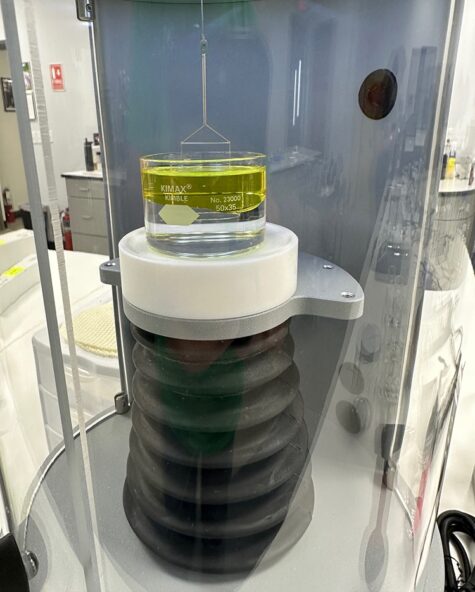
These tests assess the ability of the fluid to withstand electrical stress without breaking down. They measure the breakdown voltage, which can indicate contamination, degradation of insulation, and even moisture content.

Moisture Analysis 

Determines the amount of moisture in the fluid. Moisture is detrimental as it reduces the dielectric strength and accelerates insulation aging.

Dissolved Gas Analysis (DGA)

Identifies the presence and types of gases dissolved in the fluid, which can indicate overheating or electrical discharges within the equipment.

Interfacial Tension

Measures the tension at the oil-water interface, with a decrease indicating oil degradation and increased contaminants like oxidation products and polar substances.

Color Number & Visual

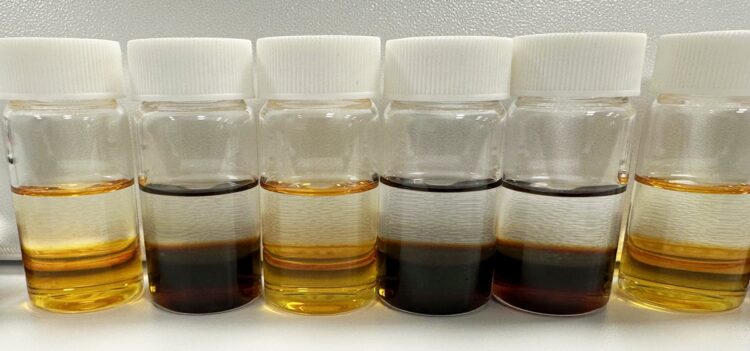
The test is an indicator of fluid quality. Higher color number values indicate the probability of contamination or deterioration of the fluid.  The visual test will also indication contamination in the fluid.

Liquid Power Factor

Measures the insulating quality and purity of the oil by assessing its dielectric losses under an AC field. A low power factor indicates good, clean, and dry oil, while an increasing power factor signifies moisture, oxidation, or other contaminants, signaling a need for maintenance, filtering, or replacement.

Neutralization Number (Acid)

Measures the acidity of insulating oil, typically by titration with a potassium hydroxide (KOH) solution. A low neutralization number is desirable, as excessive acid can degrade the transformer’s insulation and shorten its lifespan.

Specific Gravity

Measures the density of the oil relative to water, providing insights into its purity, type, and potential contamination by other fluids or water.

Oxidation Inhibitor Content

Measures the concentration of antioxidant additives in the oil to ensure the oil’s longevity and the transformer’s operational reliability.

Metals-in-Oil

Dissolved metals such as copper, iron, aluminum, and lead can indicate specific fault types and locations, complementing other tests like Dissolved Gas Analysis and electrical tests.

Furan Analysis

By measuring furan levels, companies can understand the extent of the cellulose breakdown, estimate the remaining life of the paper, and predict potential failures, allowing for timely maintenance or replacement decisions.

PCB Analysis

Determine the levels of polychlorinated biphenyl contamination in the dielectric fluid. 

At Power Substation Services, we are committed to providing the highest standard of care for your electrical infrastructure. Trust us to ensure your transformers remain in optimal condition through our specialized transformer fluid testing services, safeguarding your operations and minimizing downtime. Contact us today.

Regularly conducting transformer fluid testing significantly reduces the risk of unexpected outages and extends the service life of your transformers.